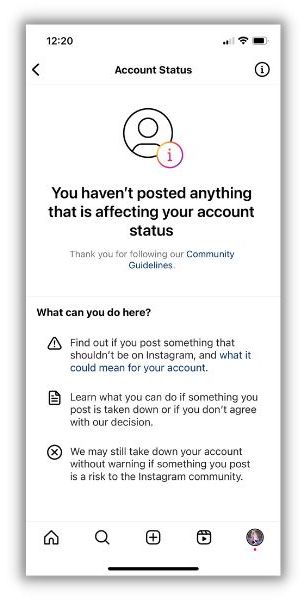
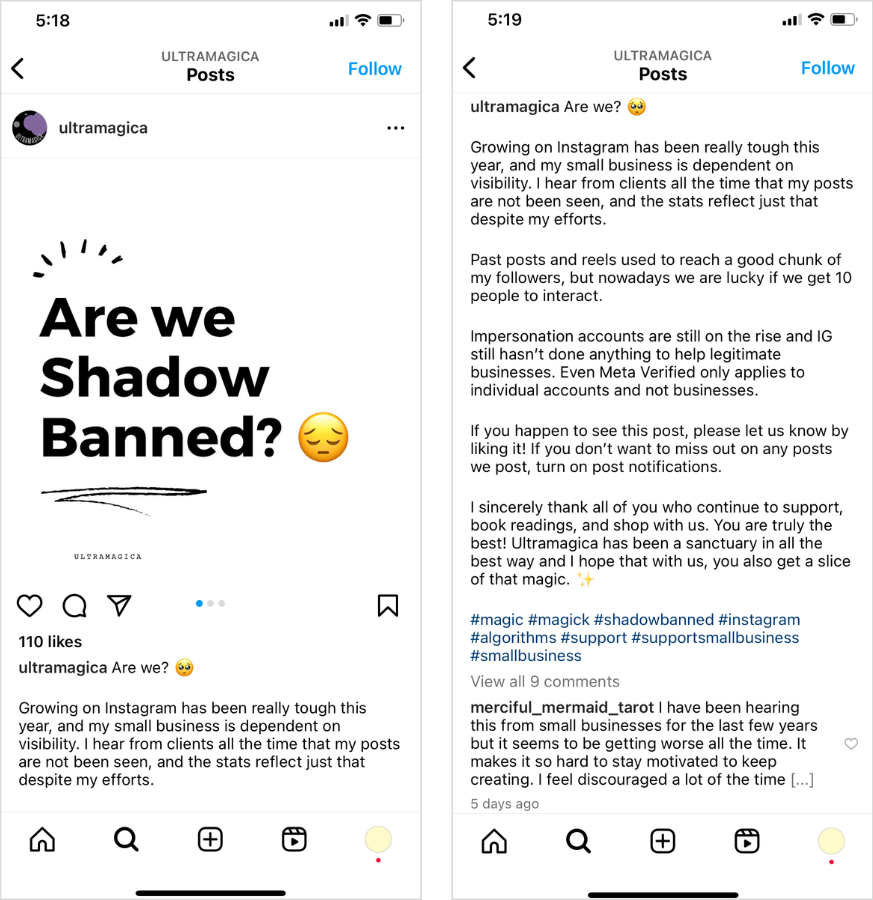
Short answer: Google does not use a single, secret “shadow ban” mechanism that invisibly hides sites from search results; however, Google’s ranking algorithms, manual actions, and feature-specific filters can and do suppress or remove content for policy, quality, or technical reasons — effects that users sometimes call “shadow bans.”
Essential context and supporting details
-
Myth — “Google shadow-bans sites deliberately and secretly for political or arbitrary reasons.”
Reality — Google’s public statements and the structure of its systems say the company uses automated ranking algorithms and a separate manual-actions process to enforce policy and quality standards, not a blanket secret ban tool that targets sites arbitrarily. Algorithms surface, demote, or remove pages based on relevance, quality, and policy signals; human reviewers can issue manual actions that are documented in Search Console and (often) notified to site owners. -
Myth — “If traffic suddenly drops, you’ve been shadow-banned.”
Reality — Sudden traffic drops can come from many diagnosable causes: algorithm updates (broad core updates or niche feature changes), manual actions, indexing issues, technical errors (robots.txt, noindex headers), CMS/plugin problems, server downtime, or seasonal/competitive shifts. Google Search Console and server logs will usually show indexing errors, manual-action notices, or crawl issues if the problem is internal rather than a mysterious hidden ban. -
Myth — “Google hides content but still shows it to the site owner (classic ‘shadow ban’ behavior).”
Reality — That specific behaviour (visible only to the owner) is typical of social-platform shadow bans but is not how Google Search generally works; search results are not served differently simply because you’re signed into a site you own. However, personalized search, localized search, or cached/stored pages can make visibility seem inconsistent to different users. -
Myth — “Ranking drops mean a penalty; penalties are the same as shadow bans.”
Reality — A penalty (manual action) is explicit and appears in Google Search Console; it targets specific violations and can remove or demote content. Algorithmic ranking changes are not “penalties” in the manual-action sense but reflect the algorithm reprioritizing results for relevance and quality. Both can reduce visibility, but manual actions are transparent to site owners while algorithmic demotions are not individually notified. -
Myth — “There’s nothing you can do if Google ‘shadow-bans’ you.”
Reality — The correct remediation depends on the cause: fix manual-action issues and submit a reconsideration/review request; resolve indexing or technical errors shown in Search Console; improve content quality and E‑A‑T signals to recover from algorithmic downgrades; and follow Webmaster Guidelines to prevent future issues.
Key signals, how to check them, and what they imply
- Manual Actions in Search Console — If present, Google lists the reason and affected URLs; this is a documented “penalty” and shows steps for recovery.
- Index coverage and URL Inspection — Missing indexation or “discovered — currently not indexed,” “noindex,” or blocked-by-robots signals explain why pages don’t appear.
- Traffic timing vs. known Google updates — Correlate drops with Google’s announced core or product updates; many visibility changes follow such updates rather than secret bans.
- Server logs and crawl stats — Show whether Googlebot is crawling the pages; a lack of crawl traffic or high error rates points to technical issues, not deliberate suppression.
- Search result experiments and personalization — Differences in results between users can come from localization, personalization, or feature-specific policies (e.g., local packs, Discover), not a hidden shadow-ban system.
Common causes that are often mistaken for “shadow bans”
- Broad algorithm updates favoring different relevance/quality signals.
- Manual actions for spam, malware, or unnatural links (visible in Search Console).
- Indexing or crawlability problems (robots.txt, noindex, canonical, server errors).
- Thin, duplicated, or low‑quality content that loses ranking against better content.
- Structured-data or rich-results removals (feature-level suppression rather than full search removal).
- Temporary feature removals (e.g., testing or de-ranking of certain content types in Discover or News).
Practical troubleshooting steps (ordered, actionable)
- Check Google Search Console for manual actions and coverage/indexing issues immediately.
- Use URL Inspection to see last crawl, indexing status, and any warnings.
- Review server logs for Googlebot activity and HTTP errors during the traffic-drop window.
- Compare traffic timing to Google algorithm update announcements and SEO industry reports.
- Audit site for technical blocks: robots.txt, noindex tags, canonical links, sitemap correctness.
- Evaluate content quality and E‑A‑T: improve depth, originality, citations, author credentials where relevant.
- If a manual action exists, fix issues and file a reconsideration/review request per guidance in Search Console.
When “shadow ban” talk is useful vs. misleading
- Useful: The term is a helpful shorthand when content visibility is mysteriously reduced and the owner is not initially notified. Many social platforms have used true shadow‑ban techniques, so the concept resonates.
- Misleading: For Google Search, the term oversimplifies a set of explainable mechanisms (algorithms, manual actions, technical faults); treating all visibility loss as a single secret ban delays proper diagnosis and recovery.
Limitations and sources
- Public documentation (Search Central / Google statements) and webmaster tools reveal manual actions and many algorithm behaviors; Google does not publish every ranking signal or internal experiment, so some opacity remains.
- SEO industry reporting and guides explain common patterns and remediation tactics but can vary in specifics and may reflect experience rather than Google policy texts.
If you want, I can:
- Walk through a checklist tailored to your site (Search Console, common checks, suggested fixes).
- Analyze a specific traffic drop if you provide the timeframe, affected URLs, and any Search Console messages.











Maple Ranking offers the highest quality website traffic services in Canada. We provide a variety of traffic services for our clients, including website traffic, desktop traffic, mobile traffic, Google traffic, search traffic, eCommerce traffic, YouTube traffic, and TikTok traffic. Our website boasts a 100% customer satisfaction rate, so you can confidently purchase large amounts of SEO traffic online. For just 720 PHP per month, you can immediately increase website traffic, improve SEO performance, and boost sales!
Having trouble choosing a traffic package? Contact us, and our staff will assist you.
Free consultation