

Guest posting activities that involve collecting personal information (e.g., author bios, emails, IPs, analytics) and sending emails (e.g., outreach, publication notices, newsletters) must comply with both Canadian privacy laws (mainly PIPEDA and some provincial laws) and CASL when Canadians are involved.
Below is a practical, compliance‑focused checklist for a guest posting program.
1. When do Canadian privacy laws apply to guest posting?
You are likely subject to PIPEDA or “substantially similar” provincial laws (AB, BC, QC) if you:
- Operate a commercial blog/site or agency and
- Collect, use, or disclose personal information (email, name, bio, photo, IP address, tracking data, social handles) of Canadians in the course of business.
For Quebec, Law 25 adds GDPR‑style, opt‑in, clear and informed consent, especially for online tracking and profiling.
2. Core PIPEDA obligations applied to guest posting
PIPEDA is built on 10 principles (accountability, consent, limiting use, safeguards, openness, individual access, etc.). For guest posting, focus on:
a) Accountability and policies
- Designate a privacy contact and reference them in your privacy policy.
- Maintain internal procedures for intake of guest authors (what data you collect, how long you keep it, where it’s stored).
b) Identifying purposes & limiting collection
- Clearly state, at or before collection, why you collect guest authors’ data (e.g., publish article, show bio, manage account, promotion, email notifications).
- Collect only what’s reasonably necessary (e.g., don’t require phone number if you only email about posts).
c) Consent from guest authors and commenters
- Use meaningful, informed consent for collection, use, and disclosure of personal information.
- For non‑sensitive uses, consent can sometimes be implied if the context is clear (e.g., submitting a bio to appear publicly), but document the context and your notices.
- For more sensitive processing (profiling, extensive analytics, cross‑site tracking, third‑party marketing), favour express, opt‑in consent, especially for Quebec (Law 25).
d) Cookies, analytics, and tracking on guest posts
- If you use cookies or similar tech to track visitors to guest posts, you must:
- Explain what tools, what data, and for what purposes (analytics, ads, remarketing).
- Offer a cookie banner or preference centre that lets users accept, decline, or customize non‑essential cookies (especially in Quebec, where all but necessary cookies must be off by default).
- Implied consent for basic, low‑risk analytics may be acceptable under PIPEDA in some contexts, but opt‑in banners for non‑essential/marketing cookies are the safer default, especially if you reach Quebec.
e) Use, disclosure, and retention
- Use guest authors’ info only for the purposes you specified (e.g., you can’t automatically add them to unrelated marketing lists unless they clearly consented).
- If you share content and bios with partner sites or social media, disclose that in your notice/terms and obtain appropriate consent.
- Set retention limits (e.g., how long accounts and submission data are kept after account closure) and implement deletion or anonymization schedules.
f) Safeguards & breach response
- Protect guest authors’ data with safeguards appropriate to sensitivity (access controls, HTTPS, restricted admin accounts).
- Under the Digital Privacy Act amendments to PIPEDA, you must:
- Record all breaches involving personal information.
- Notify individuals and the OPC of any breach that poses a “real risk of significant harm.”
g) Access and correction rights
- Provide a process for guest authors and commenters to:
- Request access to their personal information.
- Request correction or deletion where appropriate.
- Withdraw consent (e.g., remove bio page, stop direct marketing).
3. CASL basics as they relate to guest posting
CASL applies when you send “commercial electronic messages” (CEMs) to electronic addresses in Canada (email, some social media messages, SMS, etc.).
In guest posting, CASL matters for:
- Outreach emails to potential guest authors.
- Emails to site owners pitching your guest post.
- Notifications to subscribers about new guest posts.
- Newsletters or promotional sequences involving posts, offers, or services.
Under CASL you must meet three core requirements:
- Consent (express or implied).
- Identification of sender.
- A functional unsubscribe mechanism in every CEM.
4. CASL consent rules for outreach and guest post emails
a) Express vs implied consent
- Express consent: User actively agrees (e.g., ticking a box that is not pre‑checked, filling in a sign‑up form clearly labelled for marketing emails).
- Implied consent: Limited‑time permission when there is:
- An existing business relationship (recent purchase, contract, etc.).
- An existing non‑business relationship (membership, donation, volunteer).
- A “conspicuous publication” of an email address (e.g., publicly listed in a way that suggests contact is welcome) where:
- The email is directly available to the public and typically indexable by search engines, and
- There is no statement saying “no unsolicited CEMs”, and
- The CEM you send is relevant to the recipient’s role or functions.
You must be able to prove consent (time, method, wording).
For guest posting outreach, best practice to reduce CASL risk is to:
- Prefer targeted, relevant, one‑to‑one messages where there is clear role‑based relevance (e.g., pitching the content editor at a marketing blog with marketing‑related content).
- Maintain records when you rely on express or implied consent sources.
b) Required content in every CEM
Each CEM related to guest posting (outreach, notifications, newsletters) must:
- Clearly identify the sender (business/legal name and, if different, the brand name).
- Include contact information (physical mailing address, plus at least one of: phone number, email address, or web form).
- Provide a no‑cost, easy unsubscribe mechanism that works for at least 60 days and is processed within 10 business days.
This applies even to many outreach and partnership emails if they are “commercial in nature” (promoting your services, brand, or monetized content).
5. Special provincial considerations for guest posting
-
Quebec (Law 25):
- Opt‑in consent for most data collection, particularly for online tracking/analytics and profiling.
- Privacy settings must be set to the highest level by default (all non‑necessary cookies off when a visitor lands on your site).
- Increased fines and obligations around privacy impact assessments and breach reporting.
-
Alberta and BC have private‑sector laws “substantially similar” to PIPEDA; if your operations are in those provinces, those statutes govern, but standards are broadly similar (notice, meaningful consent, safeguards, access rights).
If your guest posting targets Canadians generally, design your program to meet the strictest practical standard (often Quebec’s) to simplify compliance.
6. Practical compliance checklist for a guest posting program
For your website and platform
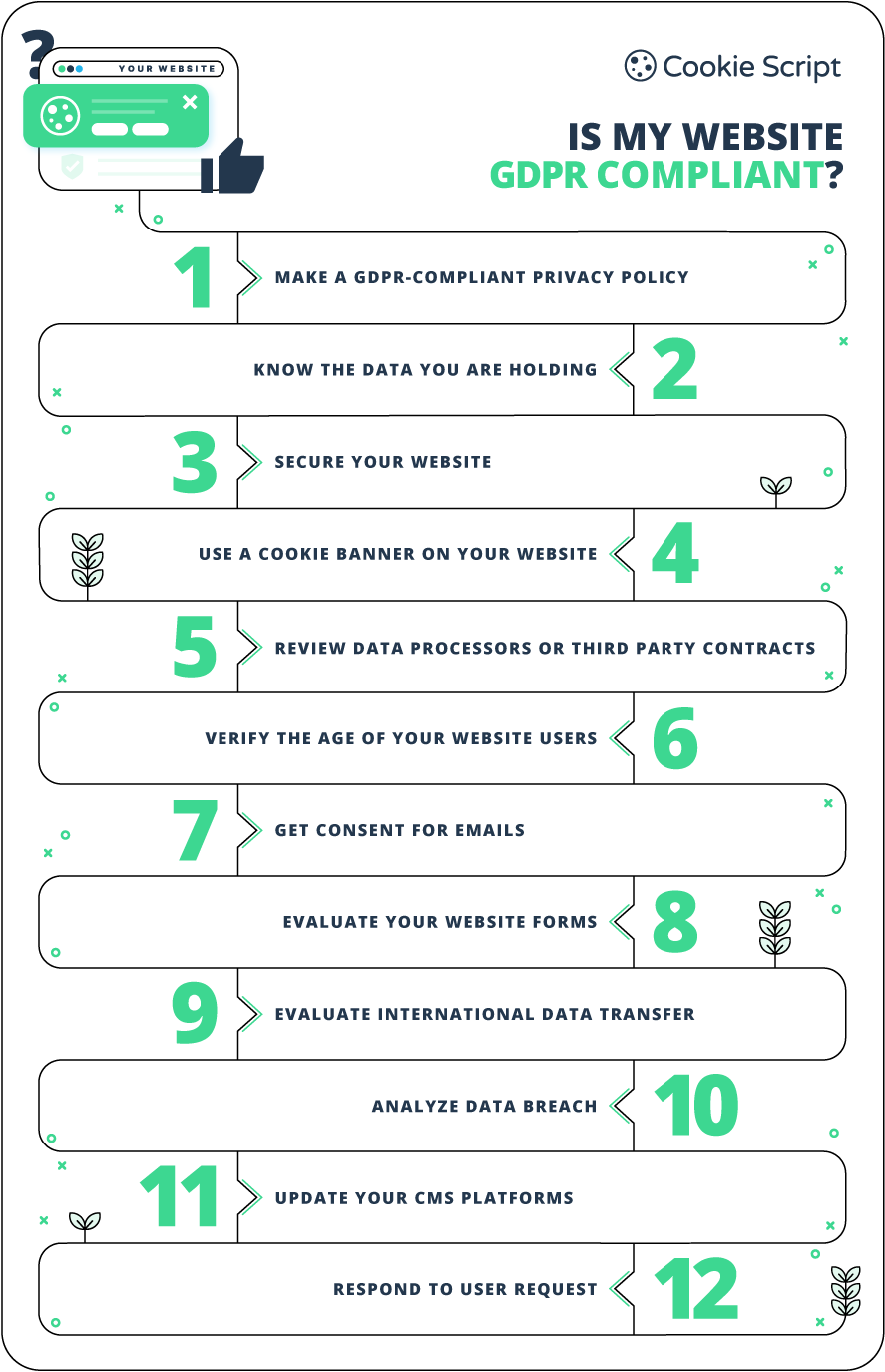
- Publish a clear privacy policy explaining: what you collect (guest authors, commenters, subscribers), why, legal basis/consent, disclosures, retention, rights, and contact info.
- Configure a cookie banner/preferences tool that:
- Blocks non‑essential cookies until consent (especially for Quebec traffic).
- Allows accept/reject/customize, with clear descriptions of categories and purposes.
- Ensure your CMS and hosting use appropriate security safeguards; limit access to guest author data to those who need it.
For guest authors
- On submission/onboarding forms:
- Clearly state that names, photos, bios, and links will be publicly displayed and may be shared on partner platforms/social media.
- Separate optional marketing consent (e.g., “Receive our newsletter/promotions”) with an unchecked checkbox.
- Link to your privacy policy and any applicable terms.
- Implement processes for access, correction, and deletion (e.g., removing a profile or updating bio).
For email and outreach (CASL)
-
Treat any newsletter or promotional updates (including guest‑post‑heavy content that promotes your services or monetized site) as CEMs.
- Collect express consent with clear language and keep logs (timestamp, source).
- Include identification and a one‑click unsubscribe in every message.
-
For cold outreach to site owners/editors:
- Confirm whether the message is a CEM (if it promotes your services/brand, CASL is likely engaged).
- Where you rely on conspicuous publication of a business email, ensure:
- It is publicly available, not marked as “no unsolicited emails”, and
- Your pitch is role‑relevant (e.g., content, partnerships).
- Still include sender identification and an unsubscribe or “do not contact” option.
-
Maintain a suppression list of addresses that have opted out and ensure your outreach and newsletter tools respect it.
7. Documentation you should maintain
To demonstrate compliance if audited or investigated:
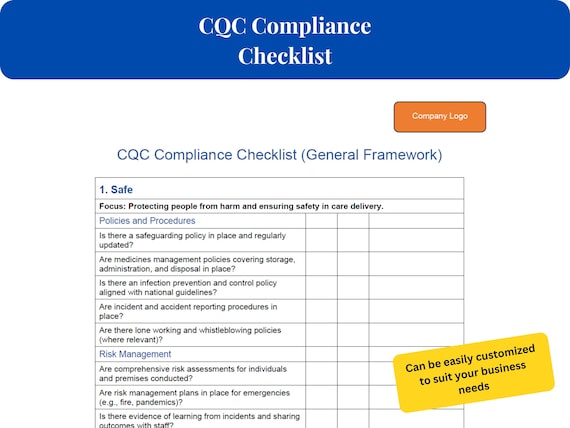
- Written privacy policy and internal data‑handling procedures for guest posting.
- Records of consent (logs from forms, email service provider records, timestamps).
- Copies of standard email templates showing identification and unsubscribe language.
- Records of cookies and third‑party tools used (analytics, ad platforms) and how consent is managed.
- Logs of any breaches and how you assessed and responded to them (for PIPEDA Digital Privacy Act requirements).
If you describe your exact guest posting workflow (e.g., how you recruit authors, what tools you use for email and analytics, and where your business is incorporated), I can map these rules into a tailored, step‑by‑step compliance plan.















Maple Ranking offers the highest quality website traffic services in Canada. We provide a variety of traffic services for our clients, including website traffic, desktop traffic, mobile traffic, Google traffic, search traffic, eCommerce traffic, YouTube traffic, and TikTok traffic. Our website boasts a 100% customer satisfaction rate, so you can confidently purchase large amounts of SEO traffic online. For just 720 PHP per month, you can immediately increase website traffic, improve SEO performance, and boost sales!
Having trouble choosing a traffic package? Contact us, and our staff will assist you.
Free consultation