
Paid-search visibility suppression (ads and AI overviews taking top SERP real estate) raises incremental customer acquisition cost (CAC) for many businesses and forces budget reallocation between paid and organic channels.
Essential context and key mechanisms
- SERP real estate is finite; paid ads, Shopping units and AI overviews can occupy top-of-page pixels and push organic links lower, reducing organic impressions and clicks even when organic ranking is unchanged.
- When organic visibility (impressions/CTR) falls, the predictable result is more demand on paid channels to recover lost traffic, which raises short‑term CAC because you must buy clicks you formerly got “for free” via organic search.
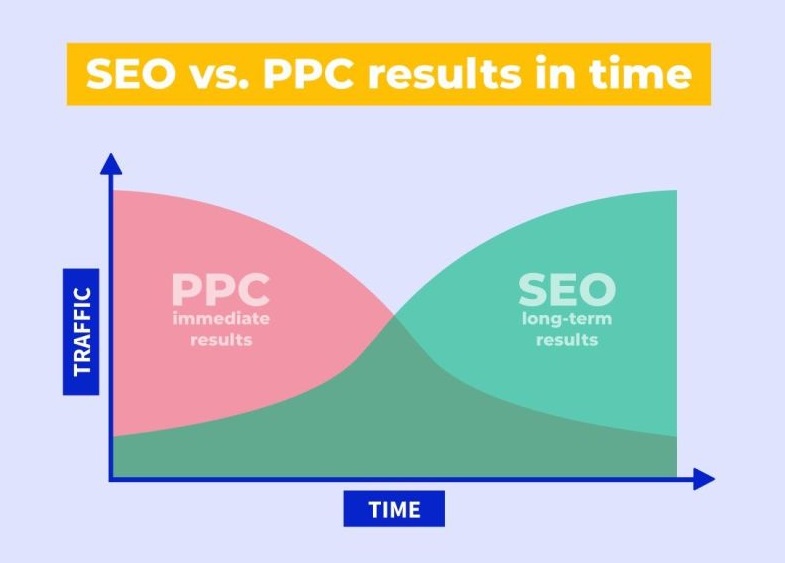
- Paid search gives immediate, controllable visibility but costs per click vary with competition and required ad rank; sustaining traffic via PPC increases variable acquisition spend and can make CAC higher than a strategy relying on organic lift.
- Conversely, high organic rankings still matter for trust and CTR; combined coverage (ad + organic result) usually captures more total clicks than either alone, so suppressing organic visibility removes that synergy and worsens overall efficiency.
How visibility suppression impacts CAC (practical effects)
- Increased CPC pressure: As advertisers bid to compensate for lost organic clicks or to secure scarce top slots, CPCs rise and CAC increases accordingly.
- Shorter budget runway: Paid campaigns that replace organic volume require continuous spend—stopping the budget stops those impressions—so lifetime CAC becomes more dependent on ongoing media spend rather than one-time SEO investment.
- Shifting ROI calculus: Channels that previously looked lower-cost (organic) will appear less productive in short-term attribution windows, prompting marketers to reallocate budget to paid, which can create a feedback loop of higher CPCs and rising CAC.
- Segmentation effect: Transactional, high‑intent queries are more likely to be bid on (keeping paid share high), while informational queries may still favour organic—so suppression hits different funnel stages unequally and may raise CAC disproportionately for mid-/top-funnel acquisition.
Budgeting and strategy implications (recommended responses)
- Rebalance to a blended model: Maintain SEO investment to restore/retain organic rankings while using paid search selectively for: brand protection, high‑value commercial keywords, and capturing users pushed away from organic positions by SERP features.
- Use paid for efficient testing: Run PPC to validate landing pages, creative and keyword intent, then bake learnings into organic content to improve long‑term returns and reduce future CAC.
- Prioritize terms by economic value: Reserve aggressive paid bids for highest-LTV keywords; accelerate organic work on evergreen, high‑conversion terms where compounding SEO reduces CAC over time.
- Track combined visibility and incrementality: Measure impressions, organic+paid overlap, and incremental conversions (not just last-click) to avoid misattributing declines to organic performance alone.
- Prepare for SERP feature shifts: Monitor developments like AI overviews and Shopping/visual units and adapt content and paid creative to win those formats (e.g., structured data, product feeds, assets for AI summaries).
Metrics and tests to run (to quantify impact)
- Compare keyword-level impressions/CTR and conversions before/after prominent SERP changes to isolate organic visibility suppression effects.
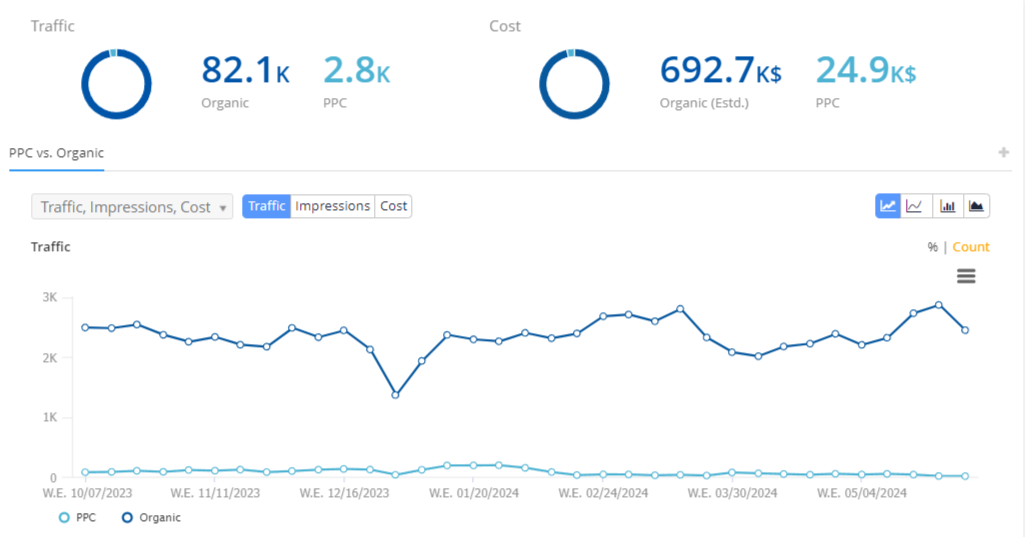
- Run A/B tests: pause paid on a brand set and measure organic click recovery and competitor ad share to estimate how much paid is offsetting organic loss.
- Incrementality experiments: use holdout audiences or geo-split tests to measure true paid lift vs. cannibalization of organic traffic.
- Monitor CPC and auction insights across the affected keywords to estimate the CAC delta attributable to increased paid competition.
Operational checklist (quick actions)
- Audit top-converting keywords for SERP feature presence and define which require paid protection.
- Reinvest a portion of short-term paid savings into SEO (technical fixes, content with commercial intent, structured data) to rebuild organic resilience.
- Add channel-level LTV tracking to avoid overreacting to short-term CAC increases that understate long-term customer value.
- Optimize landing pages and use paid for remarketing to capture users who saw organic listings but were displaced by SERP features.
Limitations and uncertainties
- The magnitude of CAC impact depends on vertical, keyword commerciality, competitor bids, and how aggressively SERP features (ads, AI overviews) are rolled out—effects vary by query type and market.
- Public analyses indicate trends (more SERP real estate for AI and ads) but exact traffic displacement and long‑term algorithmic responses are evolving and differ by search engine and locale.
If you want, I can:
- Run a short template analysis you can paste into your analytics tool to quantify organic impression suppression and CAC delta for your top 50 keywords.
- Or produce a 3-tier prioritization list (protect with paid / accelerate SEO / test & monitor) based on your current keyword list and LTV assumptions.
)






Maple Ranking offers the highest quality website traffic services in Canada. We provide a variety of traffic services for our clients, including website traffic, desktop traffic, mobile traffic, Google traffic, search traffic, eCommerce traffic, YouTube traffic, and TikTok traffic. Our website boasts a 100% customer satisfaction rate, so you can confidently purchase large amounts of SEO traffic online. For just 720 PHP per month, you can immediately increase website traffic, improve SEO performance, and boost sales!
Having trouble choosing a traffic package? Contact us, and our staff will assist you.
Free consultation