

Schema markup and structured data are fundamental tools for enhancing how search engines understand and display your website content. They work together to enable rich snippets—those enhanced search results that display additional information like star ratings, prices, or event details directly in search results.
Understanding Schema Markup and Structured Data
Schema markup, also known as structured data, is code you add to your website's HTML to explicitly define entities, properties, and relationships within your content. Rather than simply reading text, search engines use this markup to understand what your content means, not just what it says. This standardized format helps search engines categorize and index your information more accurately, leading to better search result placement and presentation.
Schema.org, developed in 2011 by Google, Bing, and Yahoo, provides the universal vocabulary and standards that power schema markup. The system uses a hierarchical structure of Types (main objects or entities) and Properties (attributes that describe those entities) to organize information in a way machines can easily interpret.
Implementation Formats
Three primary formats exist for implementing structured data, each with distinct advantages:
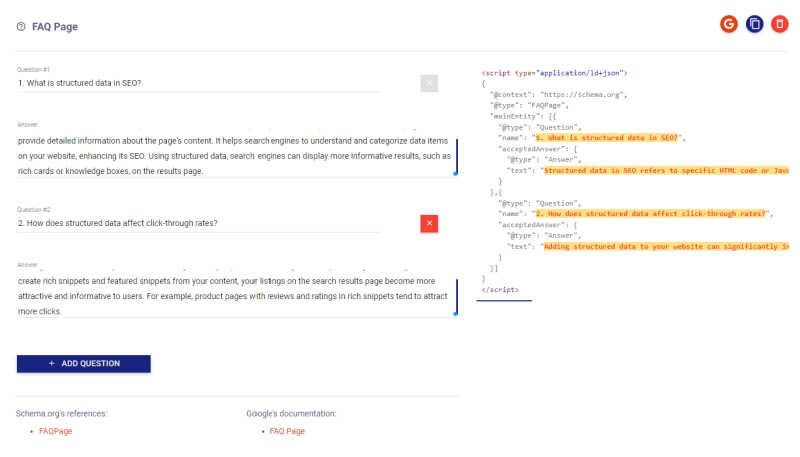
JSON-LD (JavaScript Object Notation for Linked Data) is Google's recommended format and the most widely adopted approach. It uses <script> tags to embed structured data, making it easier to read, maintain, and modify without affecting your HTML structure. JSON-LD is favored for its simplicity, effectiveness, and lower error rates compared to other methods.
Microdata uses HTML5 attributes like itemtype and itemprop to mark up individual elements directly within your page's HTML body. While functional for simple sites, microdata requires marking every entity and attribute individually, making it more labor-intensive than JSON-LD.
RDFa (Resource Description Framework in Attributes) uses different HTML attributes to define structured data and is best suited when advanced annotations or linking with semantic web standards is needed.
Benefits for Rich Snippets
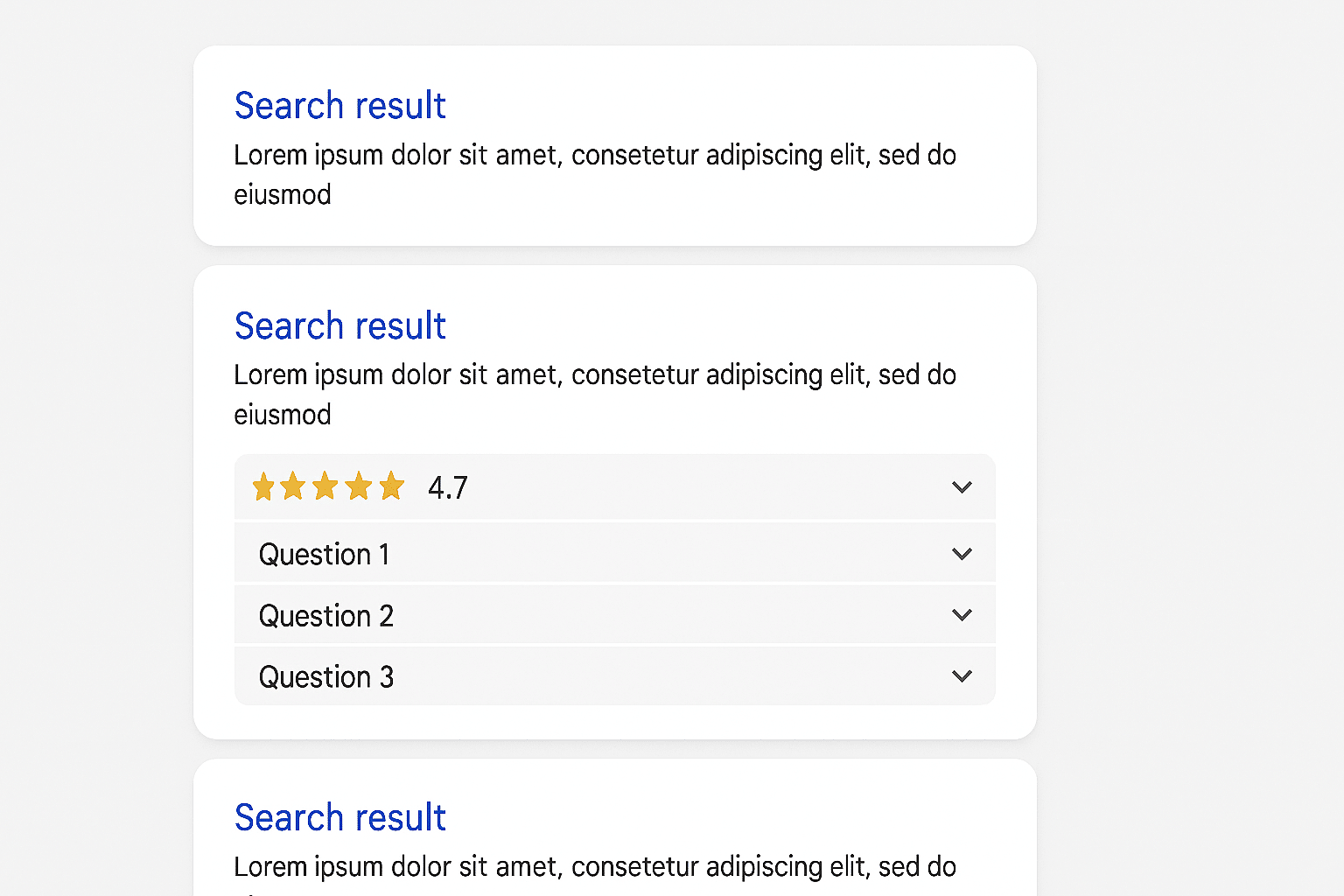
Rich snippets transform standard search results into visually enhanced displays that significantly improve user engagement and credibility. Key benefits include:
Rich Results display additional information like star ratings, product prices, or review snippets directly in search results, making your listing more appealing and informative.
Enriched Search Results allow specialized content types—such as recipes, jobs, and events—to appear in dedicated Google features like job boards or recipe carousels, expanding your visibility beyond standard search results.
Competitive Advantage emerges when competitors aren't using markup; implementing schema gives your results a more polished, information-rich appearance that attracts more clicks.
Increased Click-Through Rates occur because rich snippets stand out among other results, providing users with immediate context about your content before they click.
Common Schema Types
Schema markup can describe numerous content types, with the most frequently used including:
- Creative works
- Events
- Organizations
- People
- Places
- Products
- Reviews
Organization schema markup is particularly valuable for consolidating essential business information into a knowledge panel displayed alongside search results, improving brand identity and awareness.
Implementation Steps
To add schema markup to your website, follow this process:
- Review your page content to identify what each page is primarily about
- Choose appropriate schema types that best describe your content
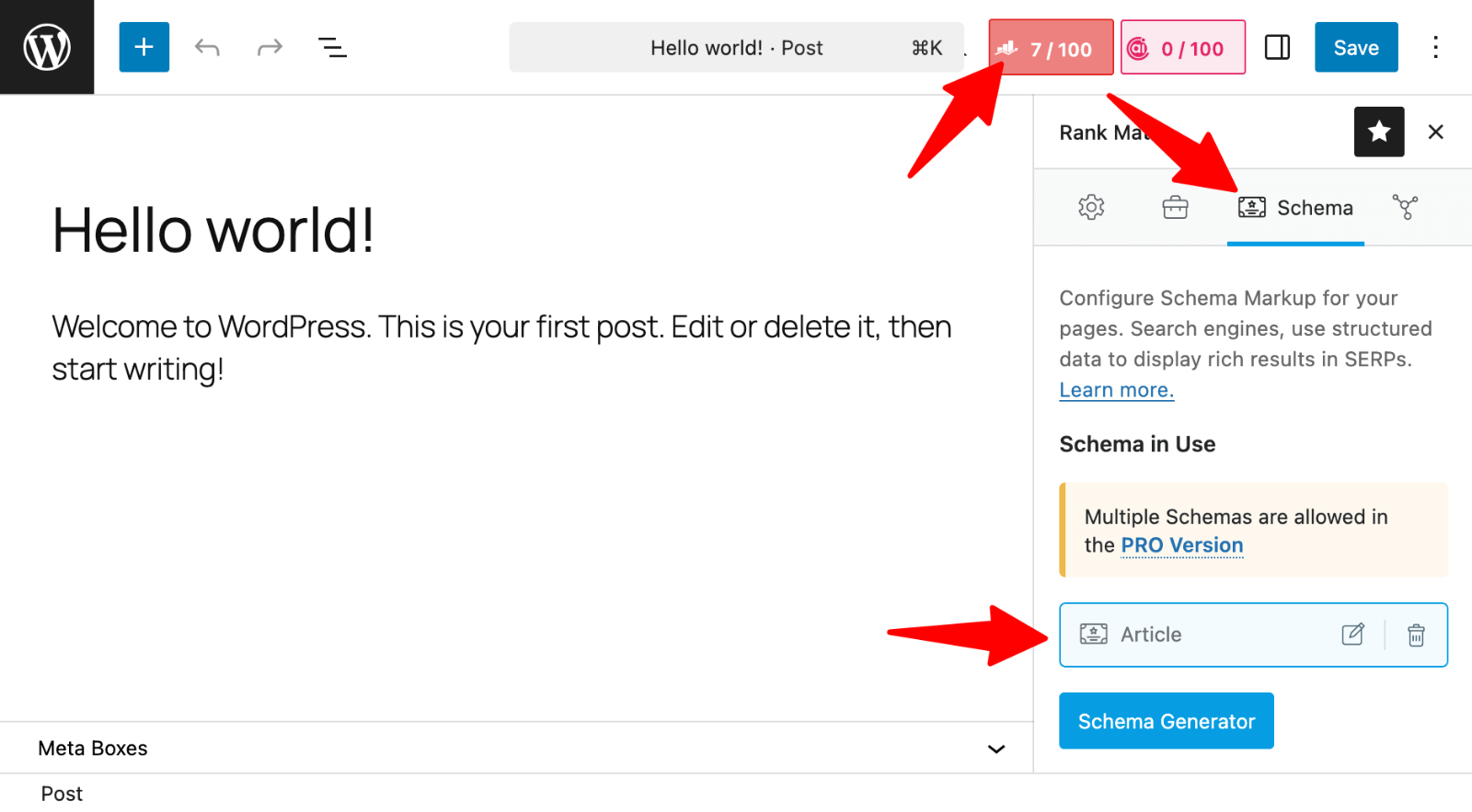
- Write the JSON-LD code using your selected schema types and properties
- Embed the code into your page's HTML using
<script>tags
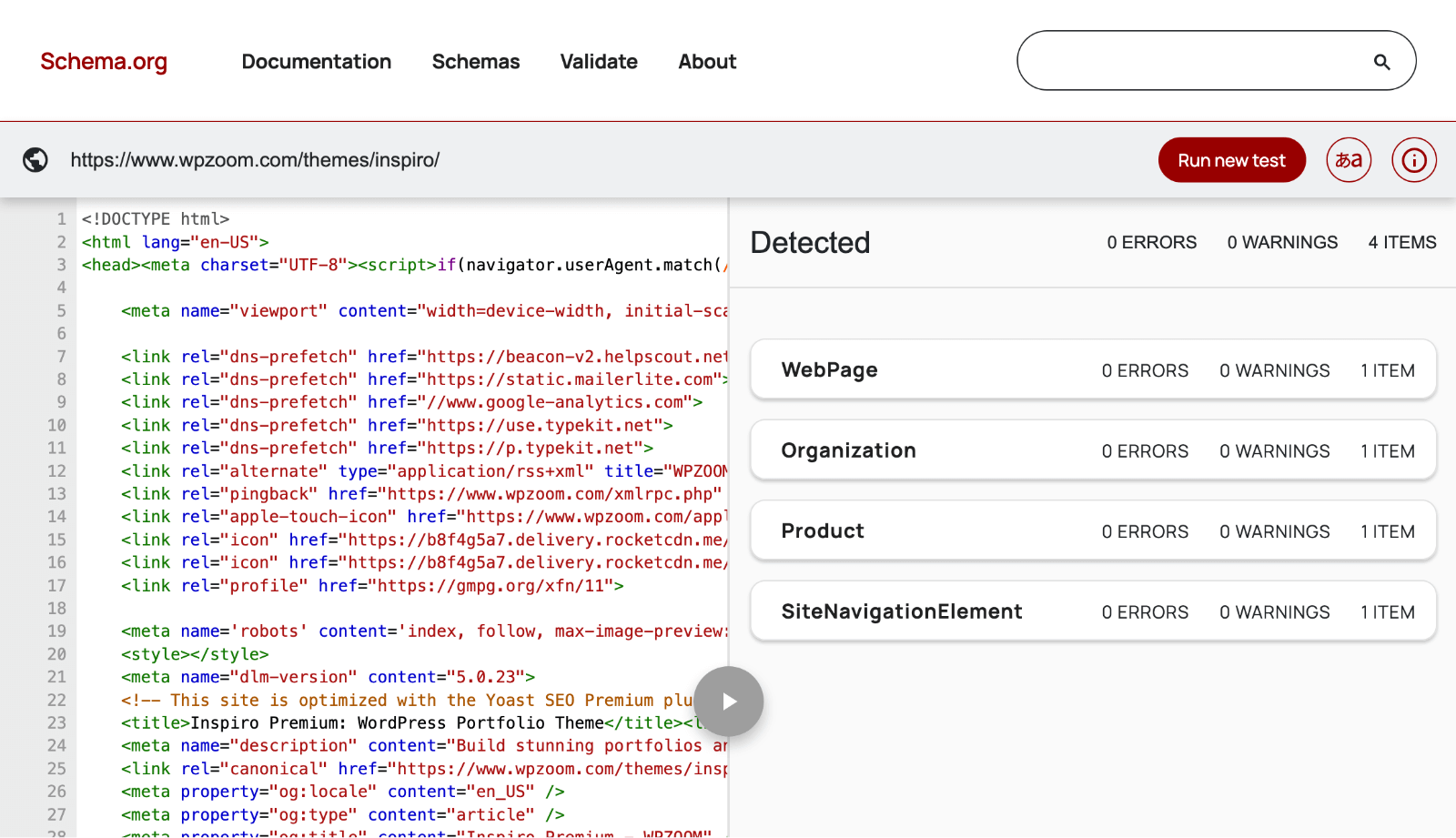
Google provides the Structured Data Markup Helper tool to assist with code generation, and you can validate your implementation through Google's testing tools.
Important Guidelines
Ensure your structured data accurately reflects visible content on your page. Don't create blank pages solely to hold structured data, and avoid marking up information that users cannot see, even if technically accurate. This approach maintains integrity and ensures search engines can properly evaluate your markup against actual page content.














Maple Ranking offers the highest quality website traffic services in Canada. We provide a variety of traffic services for our clients, including website traffic, desktop traffic, mobile traffic, Google traffic, search traffic, eCommerce traffic, YouTube traffic, and TikTok traffic. Our website boasts a 100% customer satisfaction rate, so you can confidently purchase large amounts of SEO traffic online. For just 720 PHP per month, you can immediately increase website traffic, improve SEO performance, and boost sales!
Having trouble choosing a traffic package? Contact us, and our staff will assist you.
Free consultation