

Use diverse, context‑relevant, mostly partial‑match anchors placed where they genuinely help the reader, not where they’re forced in for SEO. Over time, this creates a natural‑looking anchor profile and reduces risk of penalties while still passing strong relevance and authority.
Core principles for natural anchor text in guest posts
-
Prioritise relevance over keywords
- Make the anchor clearly describe what’s on the destination page and fit the sentence naturally.
- The surrounding paragraph should discuss the same topic as the page you’re linking to (topical alignment).
-
Favour partial‑match & semantic anchors
- Default to partial‑match (keyword + modifiers) and related phrase/LSI anchors rather than pure exact match.
- Use exact‑match anchors only occasionally and only where the exact phrase already reads naturally.
-
Mix your anchor types (diversification)
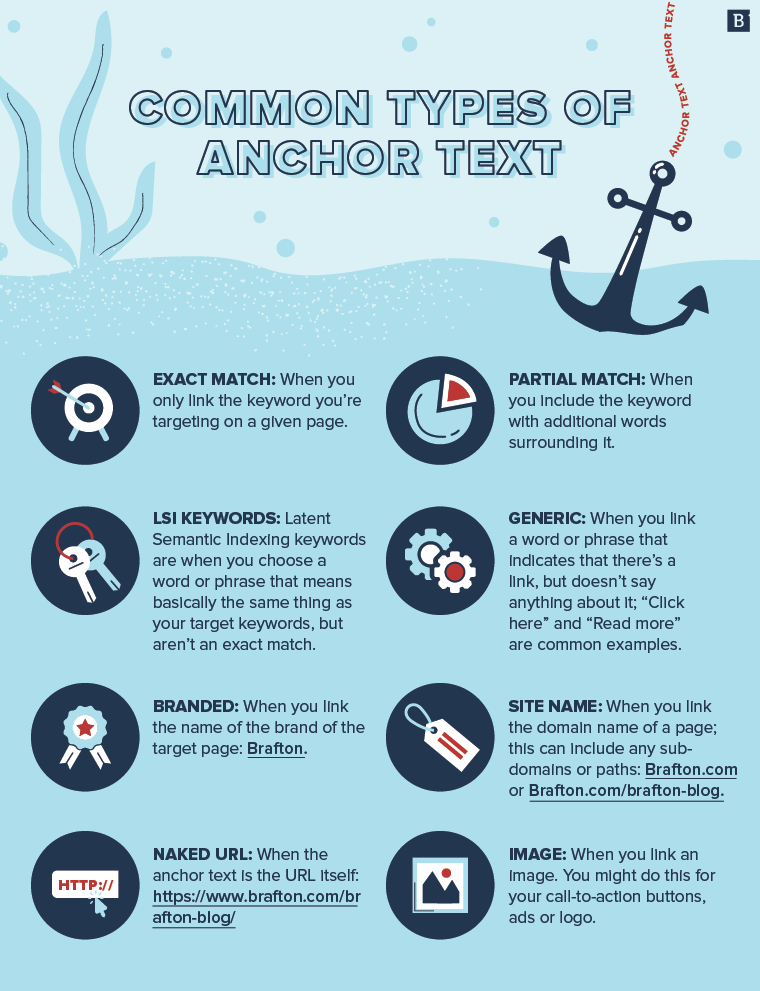
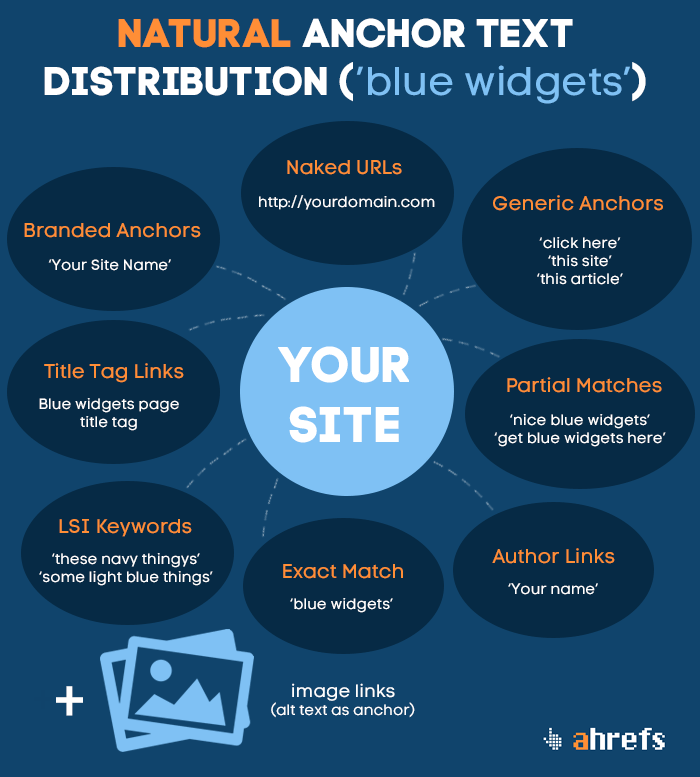
Aim for a varied profile across many guest posts:- Branded (e.g., your brand name)
- Brand + keyword (e.g., “Brand’s link building guide”)
- Partial‑match (e.g., “natural anchor text strategy,” “guide to guest post anchors”)
- Generic only when appropriate (“learn more,” “this guide”) – don’t overdo these
- Naked URL / branded in author bios and profiles instead of keyword‑stuffed anchors.
-
Think in terms of “safe distribution”
- Strategy guides recommend keeping exact‑match anchors a clear minority and spreading links across multiple pages (home, key category pages, key articles) to avoid a footprint.
- Avoid repeatedly using the same keyword phrase as anchor from many different guest posts – rotate variations and intent.
-
Place links where they help the reader
- Insert the link in the most relevant sentence/section, not just the first paragraph or a random spot.
- One or two contextual links to your site in a normal‑length guest post is usually enough; more can look promotional.
- Don’t obsess over being in the “first line” – quality and relevance of the page and context matter more than exact position in the article.
-
Keep anchors concise and readable
- Use just enough words to set clear expectations (“what happens if I click this?”).
- The anchor should still make sense if read alone, and should not break the flow of the sentence.
-
Avoid obvious over‑optimization patterns
- No long lists of promotional links, no stuffing the same money keyword, and no off‑topic anchors like “this post” or “infographic” when you’re trying to rank for something else.
- Guest posts should provide value first; the link is secondary and should feel like a natural citation or recommended resource.
Simple working pattern you can follow
For a campaign building guest‑post links to one site:
- Author bios: branded or naked URL anchors.
- First few contextual guest posts to a page: 1× partial‑match, 1× brand+keyword.
- Later posts: more semantic/LSI phrases, occasional exact‑match when it fits perfectly.
- Track anchor text in a sheet or tool so you don’t repeat the same phrase and can maintain a healthy mix.
If you share your target page and main keyword, I can draft 10–15 “natural” anchor variations and example sentences tailored to guest posts.














Maple Ranking offers the highest quality website traffic services in Canada. We provide a variety of traffic services for our clients, including website traffic, desktop traffic, mobile traffic, Google traffic, search traffic, eCommerce traffic, YouTube traffic, and TikTok traffic. Our website boasts a 100% customer satisfaction rate, so you can confidently purchase large amounts of SEO traffic online. For just 720 PHP per month, you can immediately increase website traffic, improve SEO performance, and boost sales!
Having trouble choosing a traffic package? Contact us, and our staff will assist you.
Free consultation