

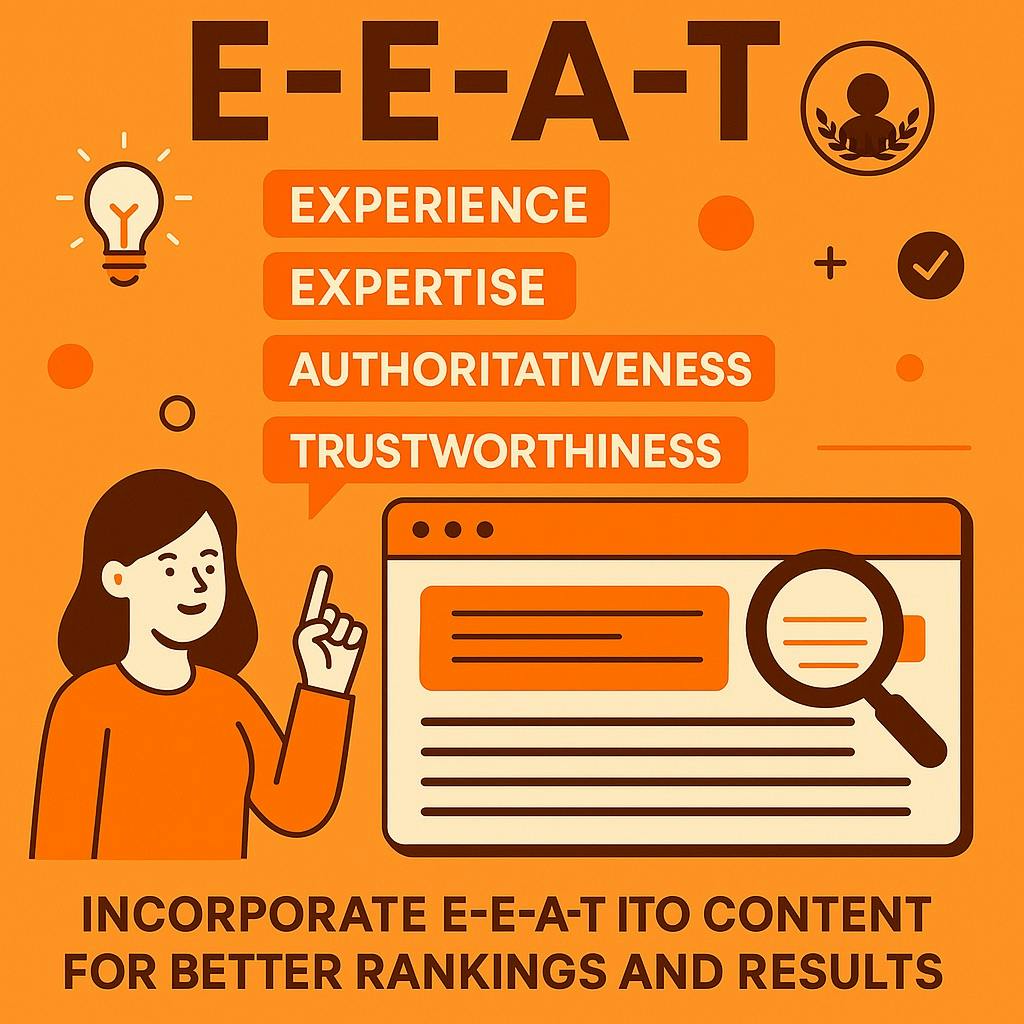
Guest posting can strongly support E‑E‑A‑T signals when it’s done on high‑quality, relevant sites with clear author attribution and genuinely expert content, but it does not help if it is low‑quality, anonymous, or purely link‑driven.
Below is a concise, practical framework for using guest posting specifically to build Experience, Expertise, Authoritativeness, and Trustworthiness.
1. Understand how guest posting maps to E‑E‑A‑T
E‑E‑A‑T is not a direct ranking factor, but it shapes how Google’s systems learn what “high quality” looks like and thus indirectly influences rankings.
Guest posting helps E‑E‑A‑T mainly by:
-
Authoritativeness
- Editorial links and mentions from respected sites are a strong authority signal—they act as “votes of confidence” about your content and brand.
- Publishing on known publications and trade magazines associates your name/brand with trusted sources in your niche.
-
Expertise & Experience
- In‑depth, practical guest posts that show first‑hand experience (case studies, data, screenshots, process breakdowns) demonstrate that you really do the work, not just write about it.
- Repeated contributions on a specialized topic build a topical footprint, signalling that you are an expert in that domain.
-
Trustworthiness
- Transparent bios, real identities, and consistent high‑quality content across multiple sites build a reputation for reliability, which Google’s quality framework strongly values.
2. Choose guest post targets that strengthen E‑E‑A‑T (not just links)
Prioritize quality and relevance over volume:
- Target respected, editorially strict sites (industry blogs, trade publications, SaaS blogs, thought‑leader newsletters).
- Check that they:
- Have aligned audiences and topics with your niche.
- Enforce editorial standards, fact‑checking, and non‑spammy outbound linking.
- Maintain a clean link profile and don’t look like a link farm or PBN.
Publishing on these sites:
- Increases your perceived brand authority and domain credibility over 6–12 months.
- Builds a “web” of mentions and co‑citations alongside other authorities, which supports your perceived expertise.
3. Structure your guest posts to signal real Experience & Expertise
For each guest article, deliberately embed E‑E‑A‑T signals:
-
Lead with real‑world experience
- Use first‑hand narratives (“here’s how we did X and what happened”) rather than generic advice.
- Include specific numbers, timelines, and outcomes where possible.
-
Show depth, not just surface tips
- Cover topics in‑depth and address real user problems, aligning with Google’s “helpful, people‑first content” guidance.
- Add process steps, frameworks, and decision criteria—not just lists of tools.
-
Back claims with evidence
- Cite reputable sources, data, and your own case studies.
- Where you give recommendations, explain why they work.
-
Clear author identity
- Always have a visible byline with:
- Full name
- Role and company
- Short credibility statement (years of experience, niche, notable results)
- Link to a robust author page or About page on your own site
- Always have a visible byline with:
This combination helps raters and algorithms connect your name + topic + experience across the web.
4. Optimise your author entity & site to capture the E‑E‑A‑T benefit
Guest posts only help long‑term if they clearly point back to a strong author entity and a trustworthy home site:
-
Author entity signals
- Maintain a comprehensive author page on your website with:
- Detailed bio and credentials
- Areas of expertise
- Links to your best guest posts and interviews
- Social profiles and real‑world identifiers (where appropriate)
- Keep your name, title, and photo consistent across sites to make it easier for systems to associate mentions.
- Maintain a comprehensive author page on your website with:
-
Site‑level trust signals
- Ensure your own site follows Google’s helpful content and E‑E‑A‑T guidance: accurate, in‑depth, well‑researched pages; clear contact and business info; good UX; no spammy link schemes.
- Use guest posts to link back primarily to:
- In‑depth resources and guides
- Case studies and original research
- Your author/brand credibility pages
- Use natural, descriptive anchor text; avoid over‑optimised, repetitive keyword anchors, which Google associates with manipulative link building.
5. Keep guest posting “Google‑safe” (and aligned with quality guidelines)
To support E‑E‑A‑T instead of risking penalties, stay within Google‑safe link building practices:
- Focus on editorial value, not paid placements or link exchanges at scale.
- Avoid:
- Thin, generic guest posts written solely to place links
- Networks of sites that exist mainly for selling guest posts
- Over‑commercial content on third‑party sites with hard sells and affiliate stuffing
- Favour:
- Fewer, high‑quality guest posts on strong domains
- Long‑term contributor relationships where you provide genuine expertise
This aligns with Google’s emphasis on people‑first, not search‑engine‑first content and helps protect your long‑term visibility.
6. A simple guest posting checklist for E‑E‑A‑T
Before pursuing or publishing any guest post, confirm:
- The site is topically relevant and editorially strict.
- Your byline and bio are included and link to a strong author page.
- The article:
- Demonstrates first‑hand experience (screenshots, examples, results).
- Offers original insights or data, not recycled content.
- Links naturally to high‑quality, helpful content on your own site.
- You are building a consistent topical footprint with multiple posts around your core expertise over time, not random one‑off topics.
Used this way, guest posting becomes less about “getting links” and more about earning recognition as a genuine expert, which is exactly what E‑E‑A‑T is designed to reward.















Maple Ranking offers the highest quality website traffic services in Canada. We provide a variety of traffic services for our clients, including website traffic, desktop traffic, mobile traffic, Google traffic, search traffic, eCommerce traffic, YouTube traffic, and TikTok traffic. Our website boasts a 100% customer satisfaction rate, so you can confidently purchase large amounts of SEO traffic online. For just 720 PHP per month, you can immediately increase website traffic, improve SEO performance, and boost sales!
Having trouble choosing a traffic package? Contact us, and our staff will assist you.
Free consultation