

Measuring SEO Success: Analytics and Key Performance Indicators
Measuring SEO success requires moving beyond simple ranking positions to track metrics that reveal real business impact. The most effective approach focuses on how SEO drives audience quality, engagement, conversions, and brand visibility rather than vanity metrics alone.
Core Traffic and Visibility Metrics
Organic Traffic Volume represents the foundation of SEO measurement. This metric tracks the number of visitors arriving through unpaid search results and indicates whether search engines consider your website relevant and authoritative. You can measure this through Google Analytics 4 by navigating to Reports > Acquisition > Traffic Acquisition, which provides a detailed breakdown of your traffic sources.
Beyond raw traffic volume, several supporting metrics provide deeper insights:
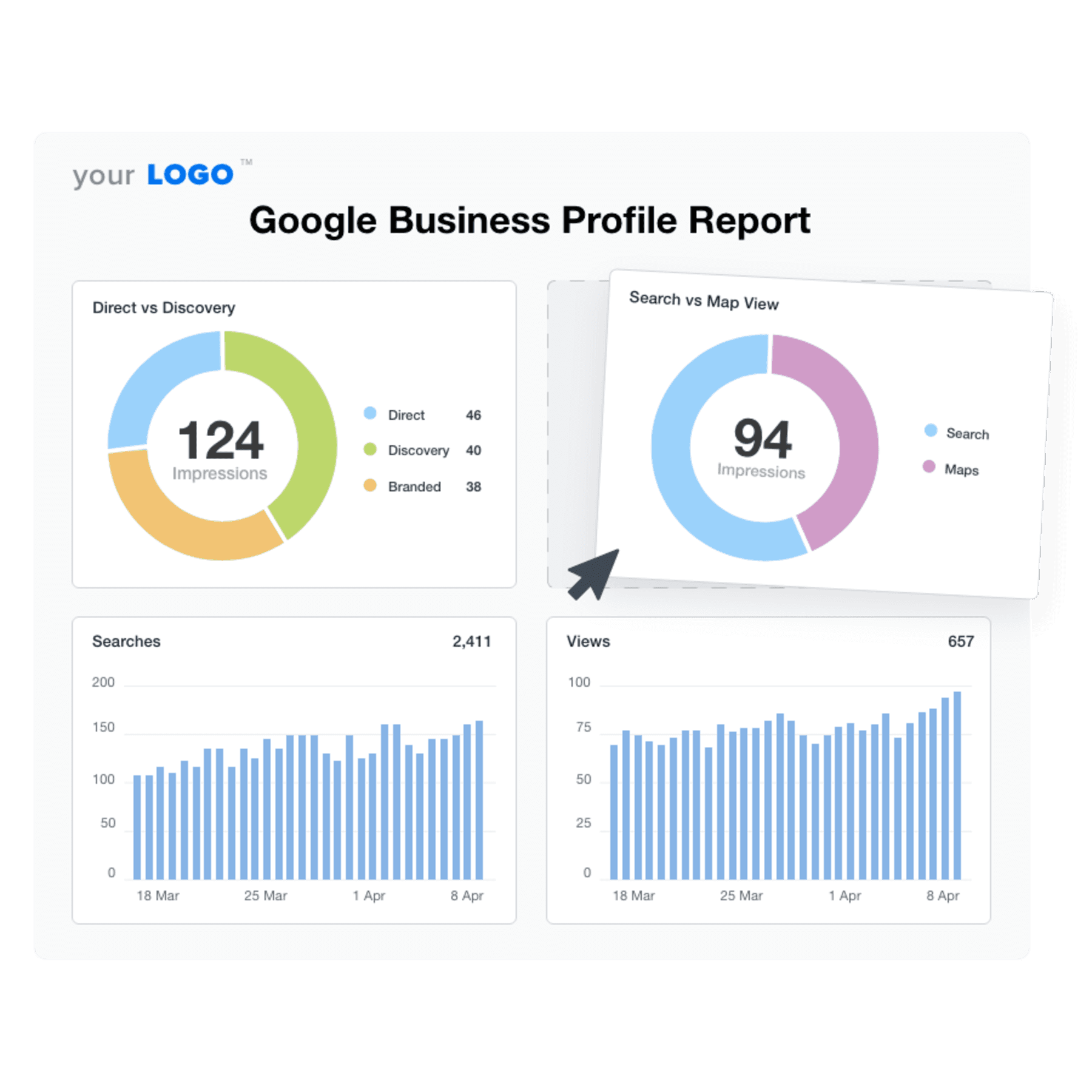
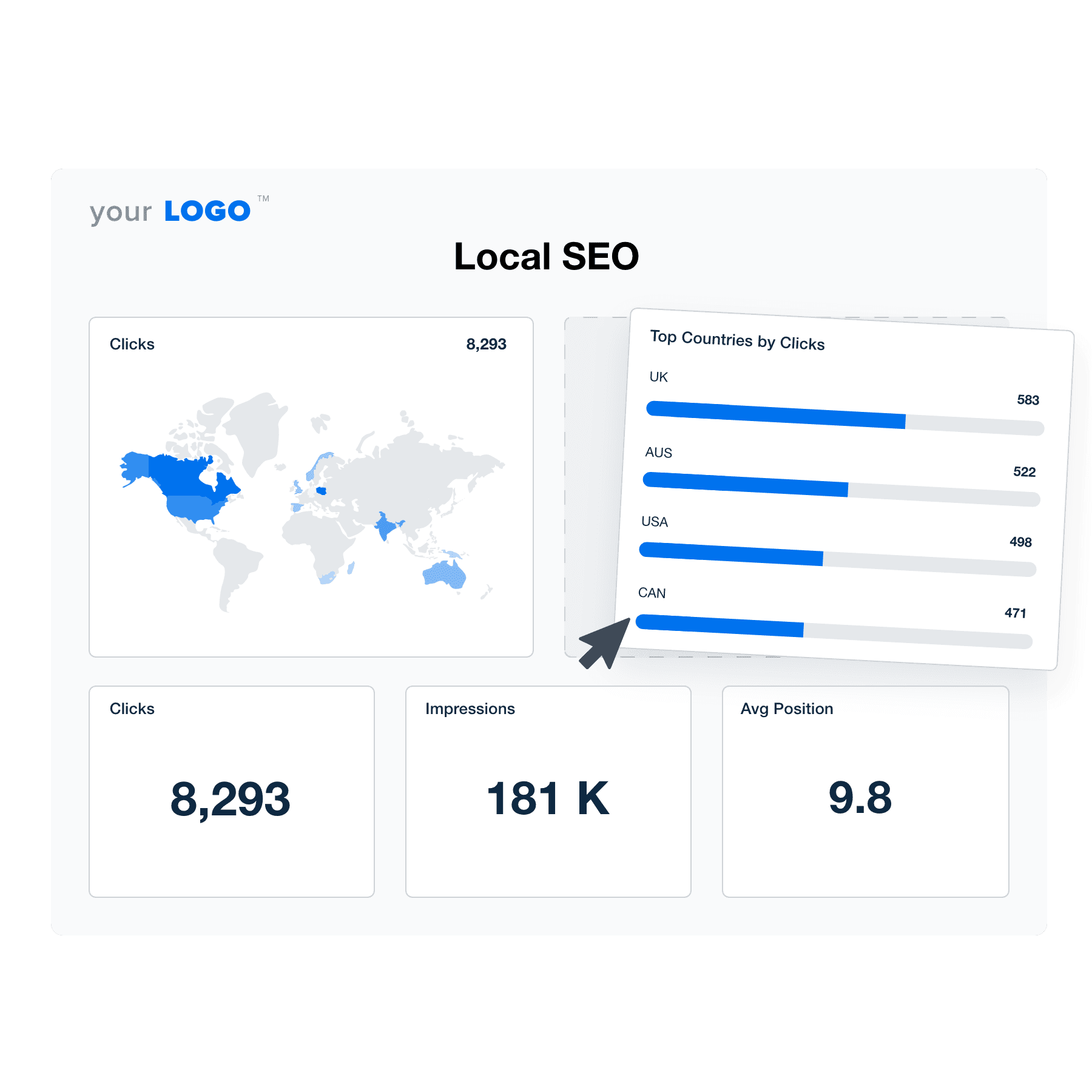
- Impressions: How often your site appears in search results
- Clicks: The number of clicks from search results
- Click-through Rate (CTR): The ratio of clicks to impressions, which reflects how compelling your titles and descriptions are
These metrics work together to show both your visibility in search engines and how effectively your content attracts clicks.
Keyword Performance and Rankings
Keyword rankings indicate how visible your pages are for target keywords. However, modern SEO requires looking beyond surface-level ranking positions to examine deeper insights:
- Average positions across all tracked keywords
- Ranking distributions to understand your keyword portfolio
- Ranking volatility and trends over time
- Keyword difficulty and search intent type
- Traffic potential for each keyword
Rather than focusing on competitive, high-volume keywords that may not convert well, prioritize longer-tail keywords that align with user intent and drive qualified traffic. Additionally, monitor SERP features like featured snippets and People Also Ask boxes that your content ranks for.
Engagement and User Behavior Metrics
Modern SEO analytics emphasize user satisfaction and content performance. Key engagement metrics include:
- Average session duration: How long users spend on your site
- Interaction rates: How users engage with your content
- Dwell time: The time spent on a page before returning to search results, which signals content quality to search engines
- Pages per session: How many pages users visit during a session
- Bounce rate: The percentage of sessions where users leave without taking action
These metrics reveal whether users are finding the information they need and taking desired actions on your site.
Conversion Metrics
Conversions represent the ultimate measure of SEO success—whether organic traffic translates into business outcomes. Set up conversion goals in Google Analytics to track specific actions such as form submissions, purchases, phone calls, or direction requests.
For local SEO specifically, segment your traffic by location and track conversions that originated from local searches. This demonstrates the tangible value of your SEO efforts to stakeholders and connects SEO directly to revenue generation.
Technical Performance Indicators
Website performance directly impacts both user experience and search rankings. Monitor these technical metrics:
- Page load time: Site speed affects both user experience and rankings
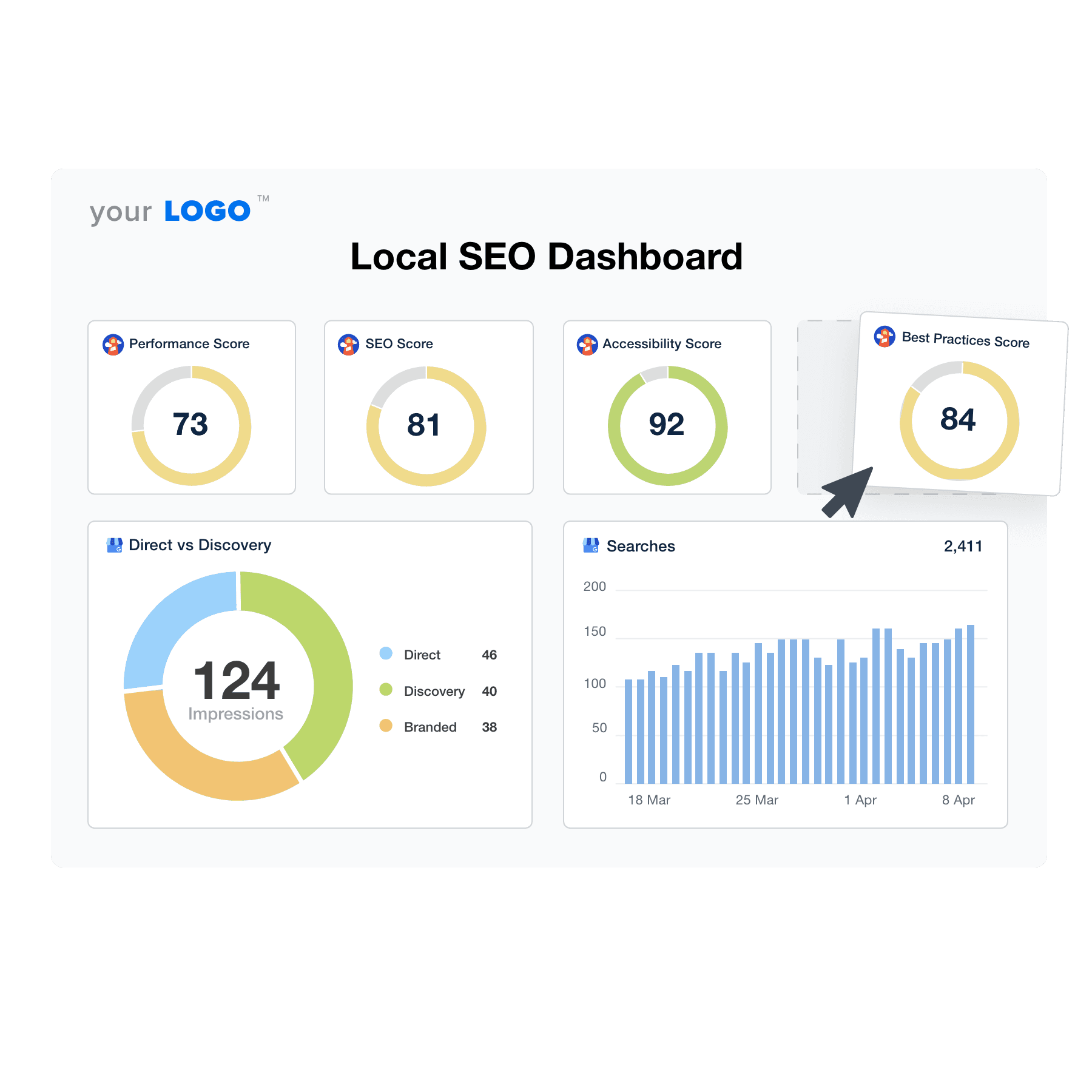
- Core Web Vitals: Essential metrics measuring page experience
- Web accessibility compliance: Ensures your site is usable by all visitors
Proactive monitoring of technical changes helps you connect cause and effect—for example, a content refresh on a service page might coincide with a keyword's ranking improvement.
Authority and Backlink Metrics
Domain Authority (DA) and Page Authority (PA) provide insights into your site's credibility relative to competitors. While these are proprietary Moz metrics, they serve as useful benchmarks. Additionally, track:
- Backlink quality and quantity: The number and quality of sites linking to yours
- Brand mentions: Online references to your brand, even without links
Tools for Measurement
Several platforms facilitate SEO analytics tracking:
- Google Analytics 4 (GA4): Primary tool for traffic, engagement, and conversion tracking
- Semrush, Ahrefs, and Moz Local: Keyword ranking and competitive analysis
- Google Search Console: Impressions, clicks, and average position data
- Ubersuggest: Comprehensive SEO metrics tracking
Modern SEO Analytics Approach
The shift in SEO measurement reflects evolving search engine priorities. Traditional metrics like organic click-through rates have become less reliable due to zero-click searches, where users find answers directly on search results pages. Instead, focus on metrics that capture user behavior, technical performance, and content relevance.
Emerging technologies like AI and predictive analytics now enable marketers to forecast potential traffic increases, ranking improvements, and audience growth, allowing for proactive strategy adjustments. This forward-looking approach helps you remain competitive in a landscape shaped by machine learning and evolving search algorithms.
The most successful SEO measurement strategy treats these metrics as interconnected indicators of overall digital marketing health, using keyword insights to strengthen content strategy, improve ad targeting, and sharpen messaging across all channels.















Maple Ranking offers the highest quality website traffic services in Canada. We provide a variety of traffic services for our clients, including website traffic, desktop traffic, mobile traffic, Google traffic, search traffic, eCommerce traffic, YouTube traffic, and TikTok traffic. Our website boasts a 100% customer satisfaction rate, so you can confidently purchase large amounts of SEO traffic online. For just 720 PHP per month, you can immediately increase website traffic, improve SEO performance, and boost sales!
Having trouble choosing a traffic package? Contact us, and our staff will assist you.
Free consultation