

Common causes of shadow‑ban–like ranking drops (social platforms and search/recommendation systems) are: over‑optimization, spammy/backlink networks, and thin or low‑quality content — explained below with practical indicators and remediation steps.
Key signs that you’re affected
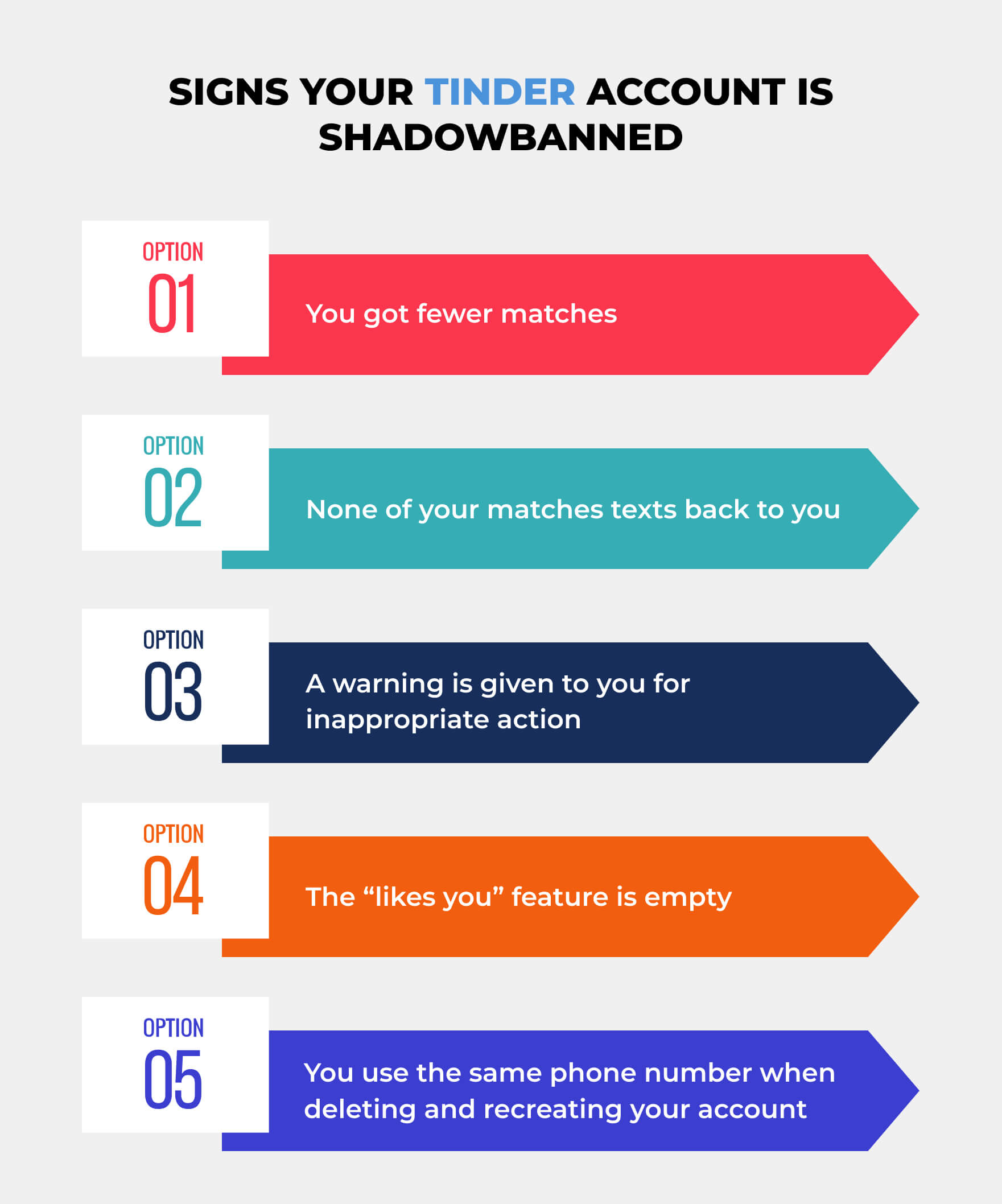
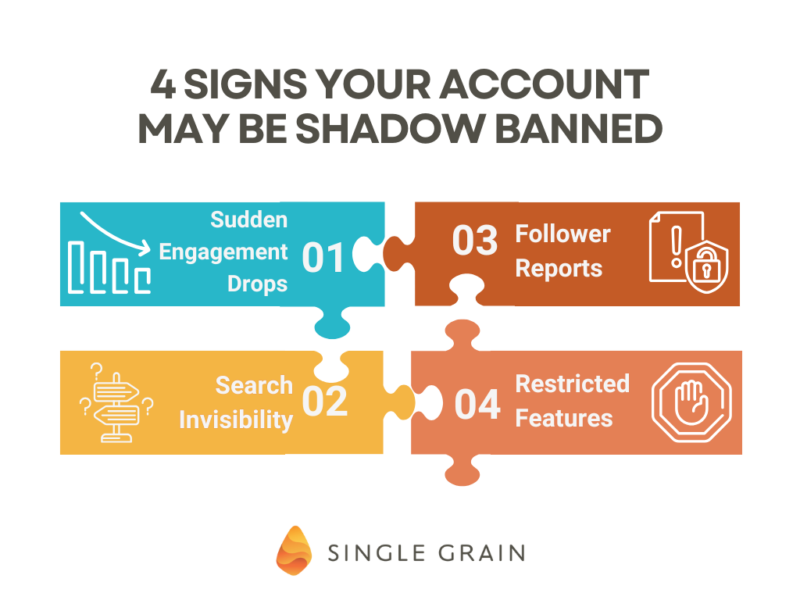
- Sudden, sustained drop in impressions, reach, or referrals with no site errors or seasonal reason.
- Content no longer appears in search, hashtag, or “recommended” slots while still visible to you.
- Engagement from outside your immediate followers/network falls sharply while follower counts may remain stable.
- Over‑optimization (SEO or platform abuse)
- What it is: Excessive application of tactics intended to manipulate ranking signals — e.g., keyword stuffing, exact‑match anchor text overuse, unnatural internal linking, or repetitive posting patterns that look automated.
- Why it triggers down‑ranking: Algorithms assign lower quality/risk scores to pages or accounts that appear engineered to game rankings or feeds; borderline signals are often suppressed rather than removed outright.
- Indicators: Large share of exact‑match anchors, pages with unnaturally high keyword density, sudden surge of optimized posts or identical captions, or rapid/frequent posting from a previously quiet account.
- Fixes: Audit and diversify anchor text; reduce keyword stuffing; make editorial voice natural; throttle posting cadence; remove or revise over‑optimized pages and monitor ranking changes.
- Spammy backlinks or link‑network signals (primarily for websites)
- What it is: Incoming links from low‑quality directories, PBNs (private blog networks), comment spam, or bulk reciprocal/link‑exchange schemes. [— supported generally by SEO literature; see reasoning below]
- Why it triggers down‑ranking: Search engines downgrade sites that show patterns consistent with link manipulation; automated systems can deweight or demote affected properties.
- Indicators: Sudden spike in backlink volume from low‑authority domains, high ratio of links from unrelated niches, many backlinks with identical anchor text or from IPs in narrow ranges. (Detectable via backlink tools.)
- Fixes: Run a backlinks audit, disavow or remove toxic links, contact hosts/webmasters where feasible, diversify link profile with earned, topical links, and focus on authoritative outreach.
- Thin, low‑quality, or repetitive content
- What it is: Pages or posts that add little unique value (short boilerplate pages, duplicate content, template pages, or copy/paste UGC), or content that repeatedly recycles the same ideas without new value.
- Why it triggers down‑ranking: Platforms and search engines aim to surface useful content; low‑value items get lower ranking scores or “don’t recommend” signals, which reduces visibility without formal takedown.
- Indicators: High bounce rates, low time on page, repeated user feedback/“don’t recommend” flags, and content flagged in moderation tools or receiving many low‑quality signals.
- Fixes: Consolidate thin pages, expand with original research or actionable guidance, remove or noindex pages that add no value, and improve on‑page E‑A‑T (expertise/authority/trust) signals.
Other common contributors that mimic a shadow ban
- Community‑guideline or policy violations (spam, abusive content, copyright/misinformation) can produce algorithmic suppression or feature restrictions without explicit bans.
- Mass reporting, automated abuse detection, or sudden changes in account behavior (new IPs, rapid follows/unfollows) can trigger deboosting.
- Platform algorithm updates or ranking/filtering changes may look like a shadow ban when the underlying ranking model changed.
How to diagnose (practical checklist)
- Confirm analytics: Compare impressions, CTR, and referrals across multiple platforms and timeframes to rule out seasonality or tracking issues.
- Test visibility externally: Use incognito or different accounts, ask others who don’t follow you to search for your content, and check hashtag/search results.
- Review recent changes: Audit recent content, posting cadence, third‑party automation tools, and backlink growth for suspicious patterns.
- Check platform notifications, policy pages, and moderation queues for warnings or feature restrictions.
Remediation steps (prioritized)
- Stop suspicious behaviour: Pause aggressive automation, remove problematic posts or links, and halt any black‑hat SEO campaigns.
- Improve content quality: Revise thin pages, add original value and signals of expertise, and canonicalize or consolidate duplicates.
- Clean backlink profile: Audit, remove or disavow toxic links, and pursue legitimate outreach.
- Appeal or follow platform remediation: If a platform allows appeals or reconsideration, submit a concise, evidence‑based request after remediating issues.
- Monitor and document: Track metrics before/after fixes and keep records of changes to demonstrate remediation if appealing.
When to expect recovery
- Recovery can be quick for single‑issue problems (days to weeks) or slow for systemic trust problems (weeks to months) depending on the platform’s re‑crawl/re‑score cadence and severity of the issue.
Sources and notes
- Algorithmic suppression, "don’t recommend" signals and low‑quality demotions are documented behaviours for platforms and search engines in industry analyses and platform guidance .
- Social media shadow‑ban symptoms and likely causes (policy edge cases, spammy behaviour, sudden account activity changes) are described in platform and industry writeups .
If you want, I can:
- Run a prioritized diagnostic checklist tailored to either a website (SEO) or a specific social platform (Instagram/TikTok/Twitter/X/YouTube).
- Provide a short remediation action plan you can hand to an SEO/SM manager or developer.











Maple Ranking offers the highest quality website traffic services in Canada. We provide a variety of traffic services for our clients, including website traffic, desktop traffic, mobile traffic, Google traffic, search traffic, eCommerce traffic, YouTube traffic, and TikTok traffic. Our website boasts a 100% customer satisfaction rate, so you can confidently purchase large amounts of SEO traffic online. For just 720 PHP per month, you can immediately increase website traffic, improve SEO performance, and boost sales!
Having trouble choosing a traffic package? Contact us, and our staff will assist you.
Free consultation