

Content for guest posts should be optimized so it ranks on its own and passes maximum SEO value back to you, without looking manipulative to editors or search engines.
Below is a practical, SEO‑focused checklist you can use for every guest post.
1. Choose topics and angles that can actually rank
- Do content gap analysis on the host site: find topics their competitors rank for that they don’t, then pitch those angles.
- Target keywords with good potential but moderate/low competition; match them closely to the host site’s audience and your expertise.
- Look for long‑tail keywords (4+ words) that reflect specific questions and search intent; these are easier to rank and fit naturally into guest posts.
Result: your guest post brings the host new traffic, making it more valuable and more likely to be accepted and kept live long‑term.
2. Build a keyword & semantic optimisation plan
Before writing, define:
- Primary keyword: one main phrase aligned with search intent.
- Secondary & semantic keywords: related phrases, synonyms, entities and variations (LSI). Use them for depth, not stuffing.
Implementation:
- Place the primary keyword in:
- Title / H1
- First paragraph
- At least one H2/H3
- Conclusion
- Sprinkle secondary/semantic keywords in:
- Subheadings (H2/H3)
- Body copy where context fits
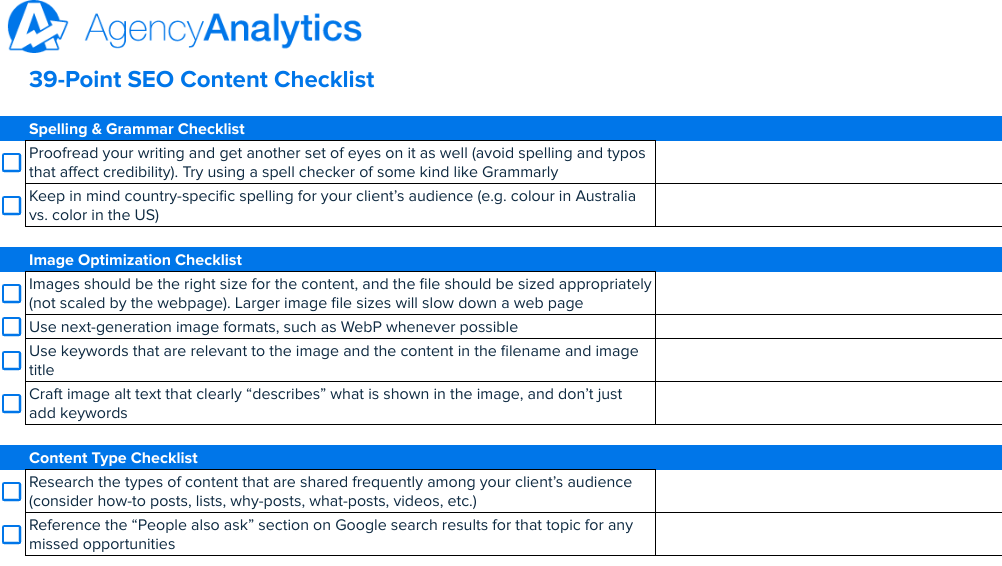
- Image alt text and file names when relevant
Density guidance (don’t obsess, but use as a rough check):
- Around 1–2% for the primary keyword is commonly recommended.
- Use 0.5% or less for secondary ones and always favour natural flow over exact percentages.
3. Structure for both ranking and readability
Search engines and editors favour content that’s easy to read and skim.
- Use a clear heading hierarchy (H2 → H3) that maps to subtopics and related keywords.
- Keep paragraphs short: usually 2–4 sentences; avoid walls of text.
- Use bullet/numbered lists only when they genuinely clarify information.
- Aim for plain‑language readability (around grade 8–9 or below).
- Include supporting visuals, data, and examples to increase dwell time and perceived authority.
AI or optimisation tools can help with:
- Readability analysis
- Structural recommendations
- Semantic topic coverage (related concepts you might miss)
4. Optimise on‑page SEO elements the host controls
Even though the host often sets these, you can suggest or pre‑write them.
-
Title tag / H1
- Include the primary keyword near the beginning.
- Make it benefit‑driven and specific.
-
Meta description
- 1–2 sentences including the primary keyword and a clear value proposition; aim to improve CTR.
-
URLs (if you have influence)
- Short, descriptive, containing the main keyword.
-
Images
- Use descriptive file names with relevant terms.
- Add alt text that’s descriptive and, where natural, includes a keyword.
5. Maximise link value without tripping spam signals
Backlinks are the main SEO payoff from guest posts; how you place them matters.
Link placement
- Insert links within relevant, explanatory paragraphs (2–3 sentences minimum) so they clearly support the point being made.
- Avoid link dumps or adding multiple self‑links in one small block of text.
Anchor text optimisation
- Use natural, varied anchor text that fits the sentence.
- Mix:
- Branded anchors
- Partial‑match keyword anchors
- Generic anchors (“this guide”, “in this case study”)
- Ensure the link genuinely adds value for the host’s readers, not just SEO benefit.
Link mix
- Respect the host’s guidelines on:
- Number of links to your site
- Whether you can link to commercial pages vs. informational resources
- Include helpful external source links and internal links to the host’s content to show you’re improving their site, not just building your own authority.
6. Align with the host’s style and guidelines (for acceptance & longevity)
An unaccepted or later‑deleted post has zero SEO impact.
- Mirror the host’s tone, depth, and formatting, while keeping your own voice.
- Follow guest post guidelines exactly: word count, allowed links, formatting, byline rules, and topics.
- Match structural patterns from top‑performing posts on their blog (intro length, use of images, typical CTA, etc.).
This improves acceptance rates and reduces the risk of edits that remove or nofollow your links.
7. Cover topics comprehensively (to win topical authority)
To rank strongly, your guest post should be more useful than existing results.
- Use tools or manual SERP analysis to identify:
- Common subtopics competitors cover
- “People Also Ask” questions and related entities
- Turn these into subsections and FAQs, using semantic keywords in H2/H3 headings where natural.
- Incorporate statistics, quotes, and original insight to differentiate your content and attract natural backlinks.
8. Integrate guest posts into a broader SEO strategy
Guest posts perform best when they support an existing content and link strategy.
- Use a hub‑and‑spoke model:
- Your own site hosts in‑depth hub content targeting a core keyword.
- Guest posts act as spokes, each tackling closely related subtopics and linking back to the hub.
- Ensure consistent messaging and keyword focus across multiple guest posts to build authority around key themes rather than scattered topics.
9. Track performance and refine
To truly “maximise SEO impact,” monitor:
- Ranking and organic traffic to the guest post URL (where you have access).
- Referral traffic from the guest post to your site.
- New backlinks that the guest post naturally attracts.
- Engagement metrics (time on page, scroll depth, social shares) where data is available.
Use these insights to refine:
- Keyword difficulty and intent targeting
- Content depth and structure
- Anchor strategies and link placement
- Which sites and topic types yield the best long‑term SEO value
If you share your niche and a sample target site, I can draft a concrete content and link‑placement outline for one high‑impact guest post.
















Maple Ranking offers the highest quality website traffic services in Canada. We provide a variety of traffic services for our clients, including website traffic, desktop traffic, mobile traffic, Google traffic, search traffic, eCommerce traffic, YouTube traffic, and TikTok traffic. Our website boasts a 100% customer satisfaction rate, so you can confidently purchase large amounts of SEO traffic online. For just 720 PHP per month, you can immediately increase website traffic, improve SEO performance, and boost sales!
Having trouble choosing a traffic package? Contact us, and our staff will assist you.
Free consultation